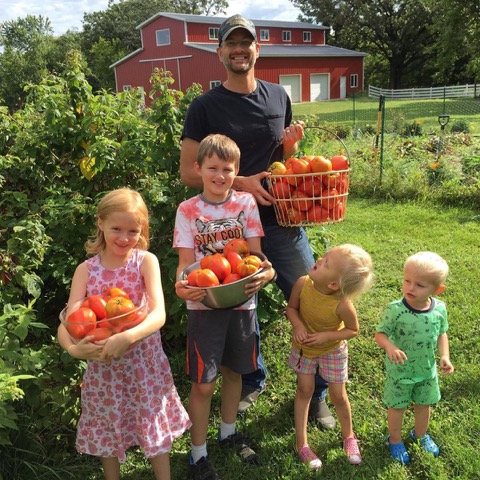
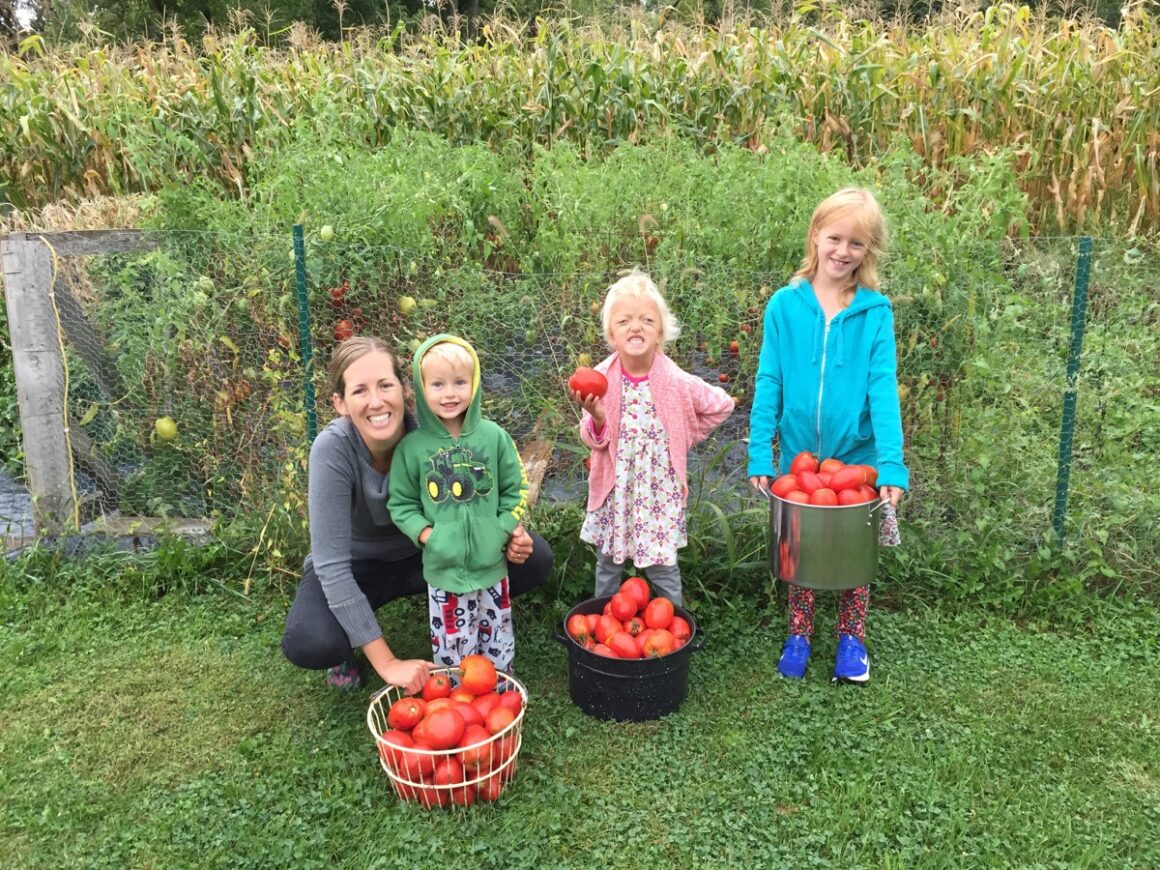

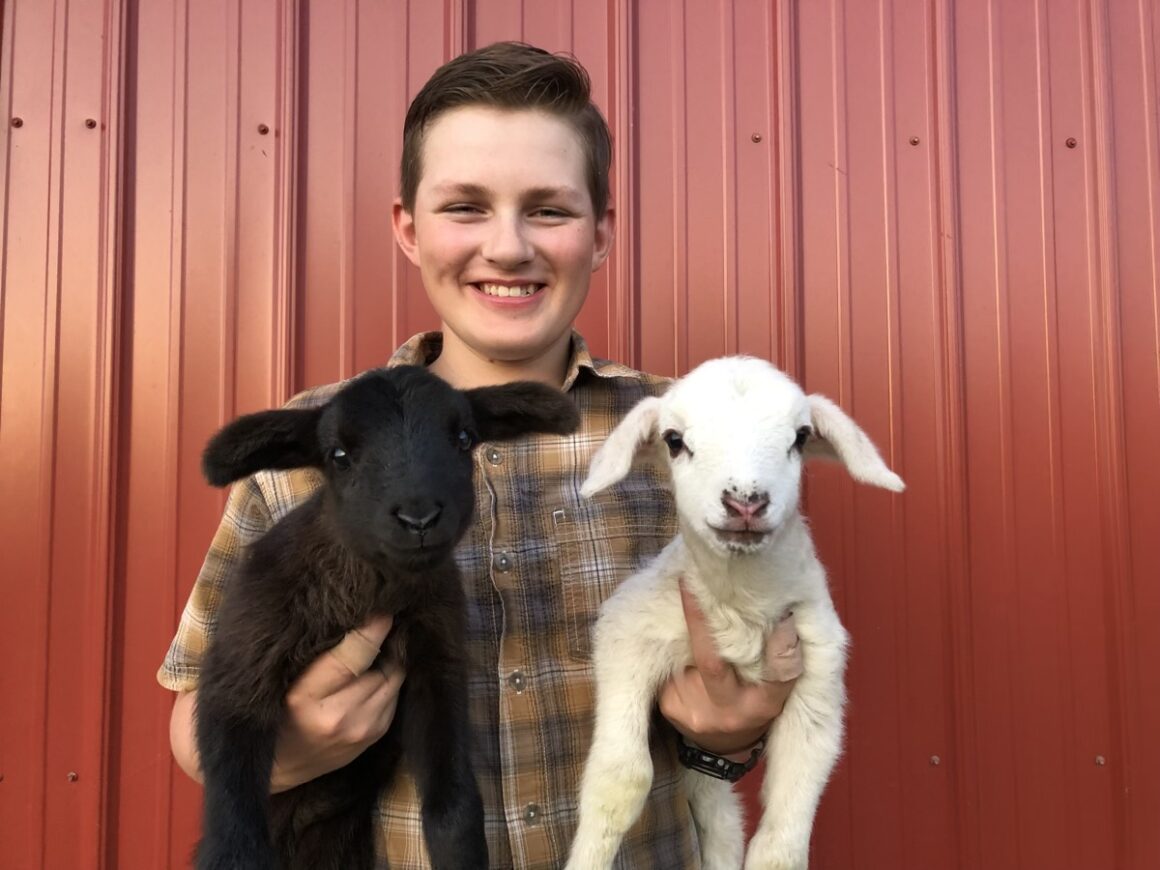
Hello! For those of you who don’t know me, my name is Ivar Groves, and I live on a 10-acre homestead near Northfield, Minnesota with my parents and five siblings. I am 15 years old and I have been raising Katahdin sheep for three years now, ever since I bought the flock from my dad.
I am writing this blog to those of you who have bought lamb meat from me in the past and those of you who are interested in buying lamb from me in the future.
Why I raise sheep
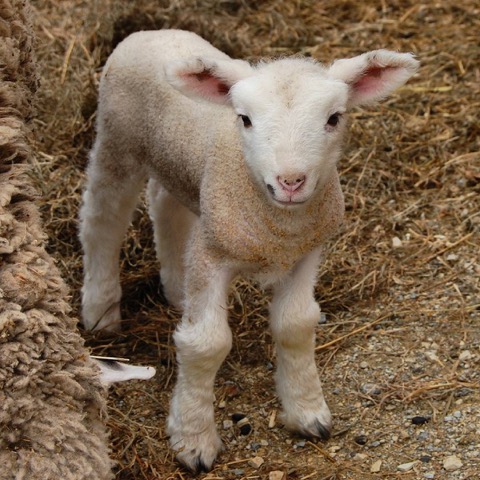
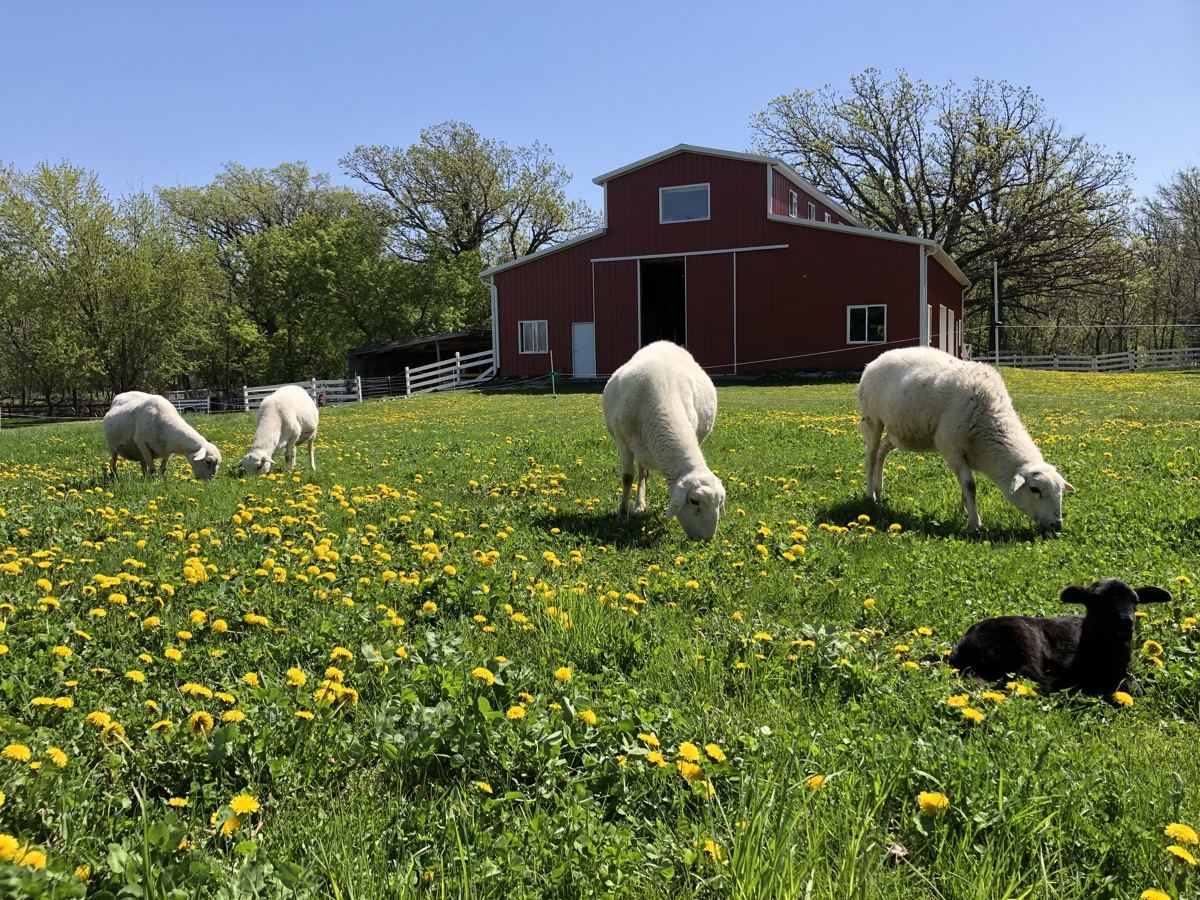
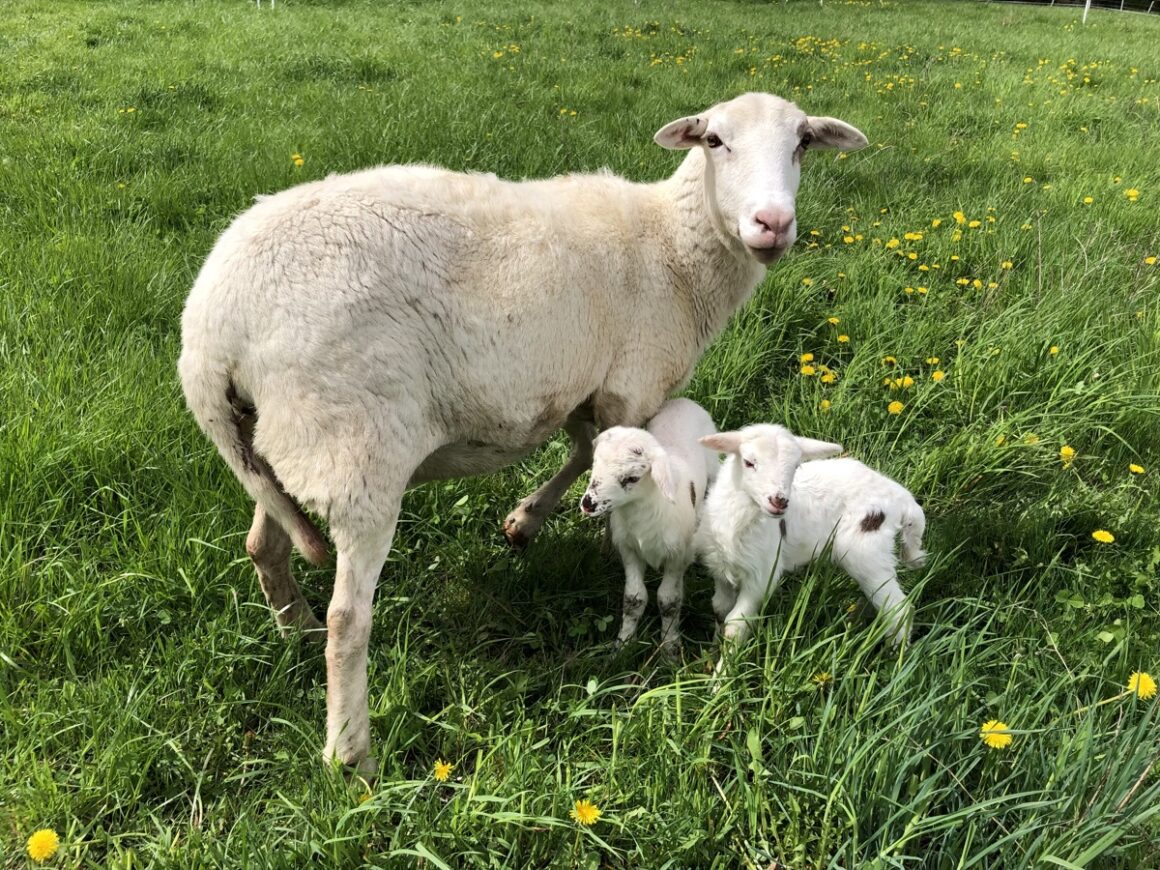
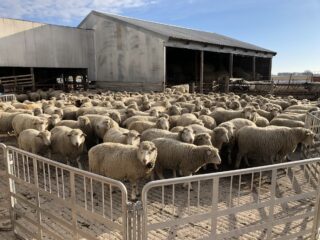
Sheep are my favorite animal. They are easy to raise, highly productive, safer to work with than larger livestock like cows, and are simply fun to be around. The breed of sheep that I raise, Katahdins, are “hair” sheep. This means that every spring they shed their winter wool, eliminating the need to shear them. They are also good for other reasons: parasite resistance, strong maternal traits, grass-based foraging, and productive sheep ideal for meat production. I have worked hard over the last few years selecting the best sheep to keep and add to my flock.
How I raise my sheep
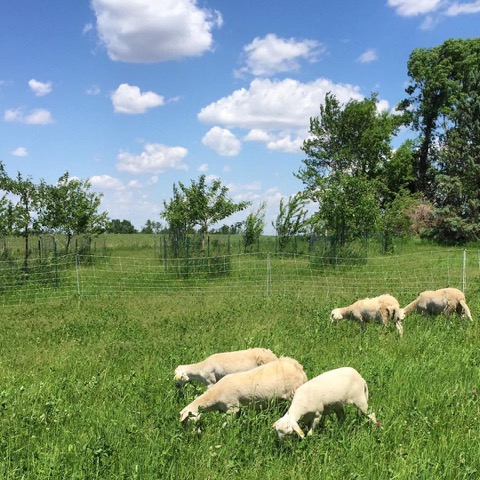
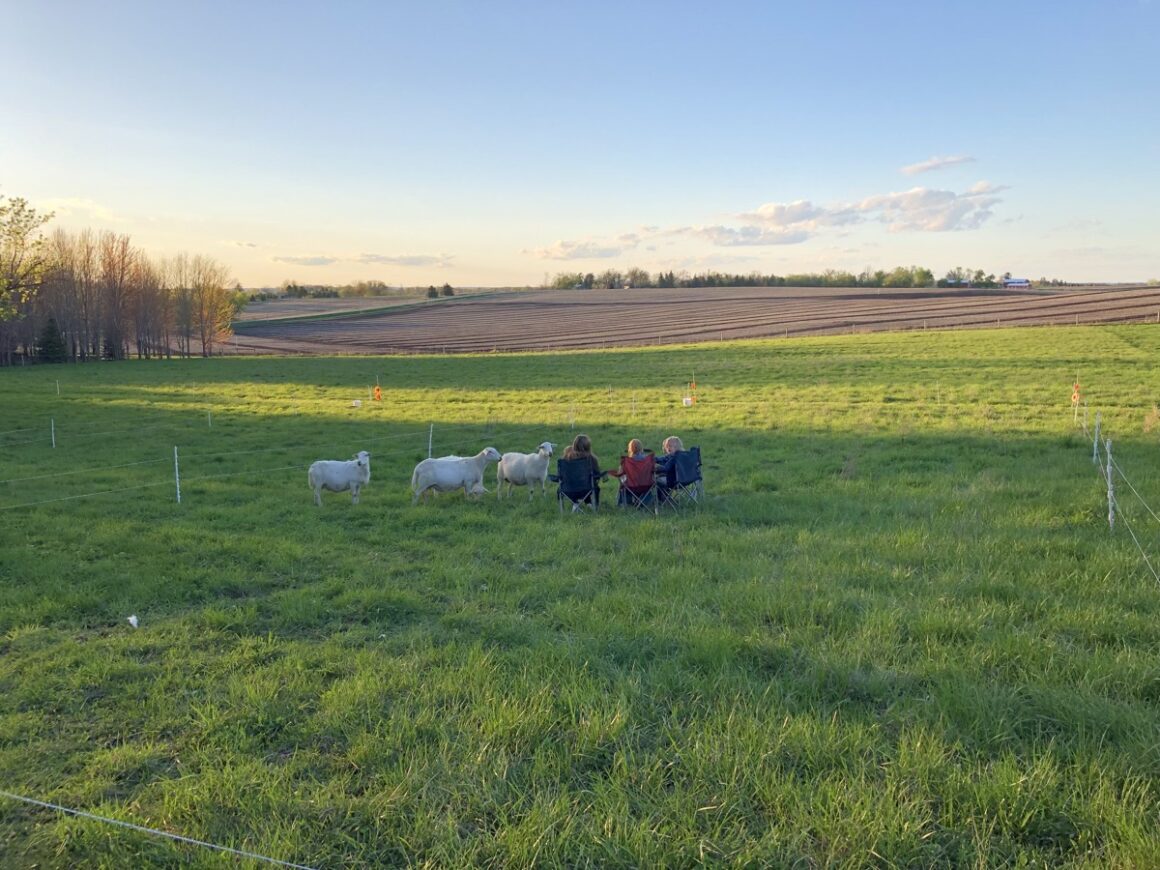
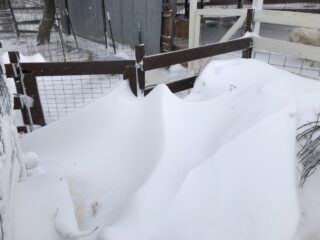
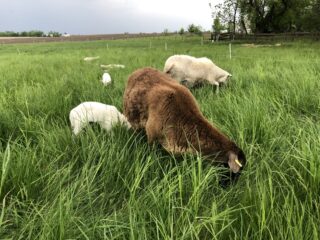
My sheep are raised in their natural environment: The Great Outdoors. The only time my sheep were in our barn in the last year was during a cold spell a few weeks ago when it reached -19°F, and even then only for a day or so. Whenever there’s not snow on the ground, my sheep are out on pasture grazing on a diverse ‘salad bar’. And alongside a free choice salt supplement, that is their whole diet. Most of my sheep have never had a kernel of grain in their lives.
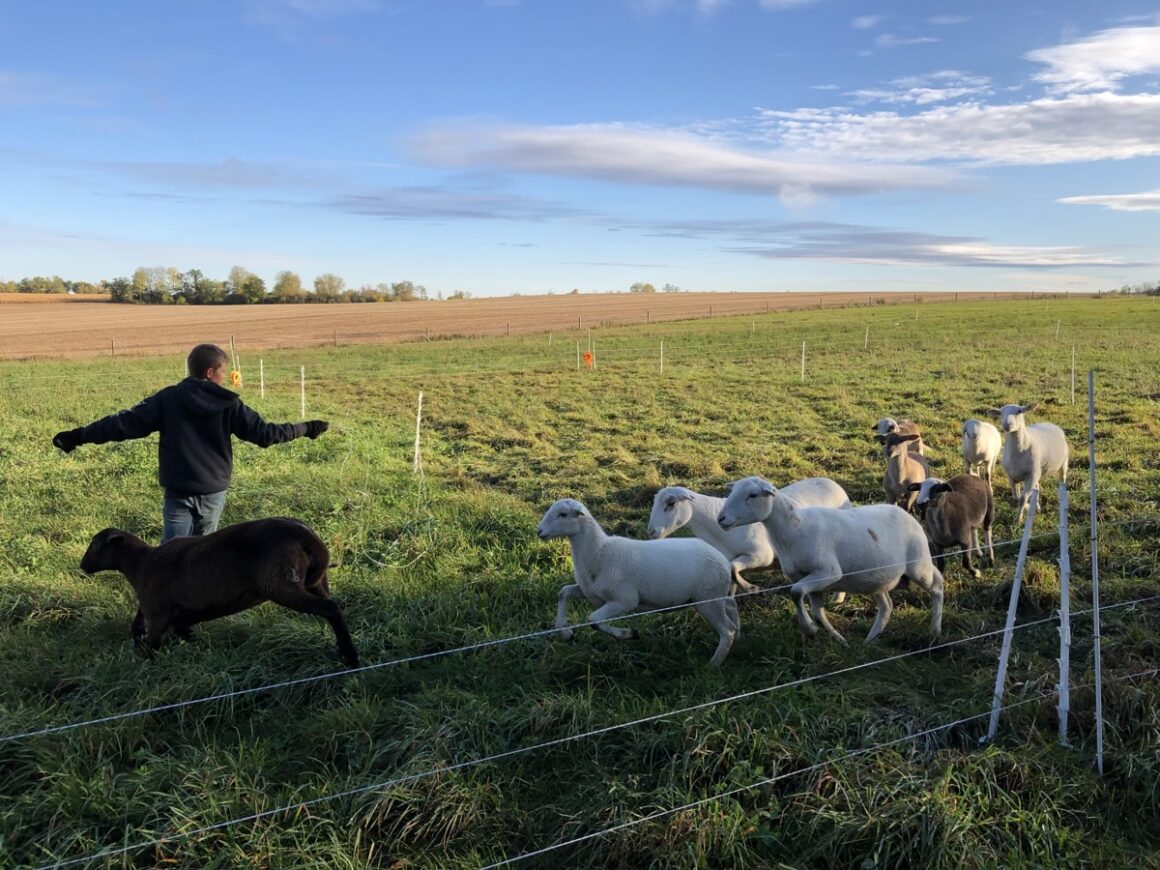
I rotate the sheep onto a new paddock of grass every day, using portable electric fencing. This gives the pasture time to regenerate, and relieves parasite load for the sheep. This is important because I do not use any medicines or dewormers with my sheep. Instead, I select hardy and disease-resistant sheep for my flock. The ewes (female sheep) have their lambs on pasture.
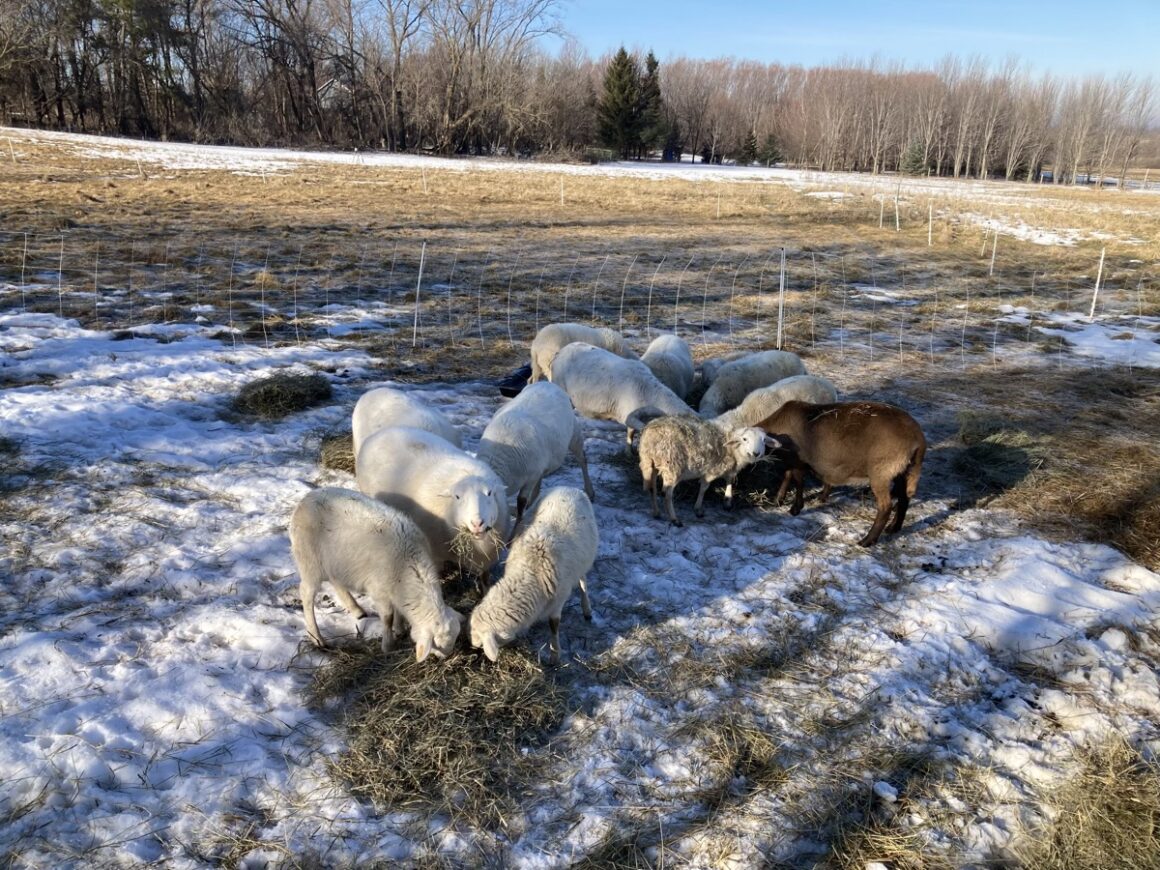
During the winter time when there is no grass to graze, I feed the sheep hay in a fenced-in area with access to a two sided lean-to for shelter when it’s windy or snowy.
If you are interested in more information on how I rotationally grace my sheep, see my blog post: Raising Hardy Sheep.
To Market, To Market
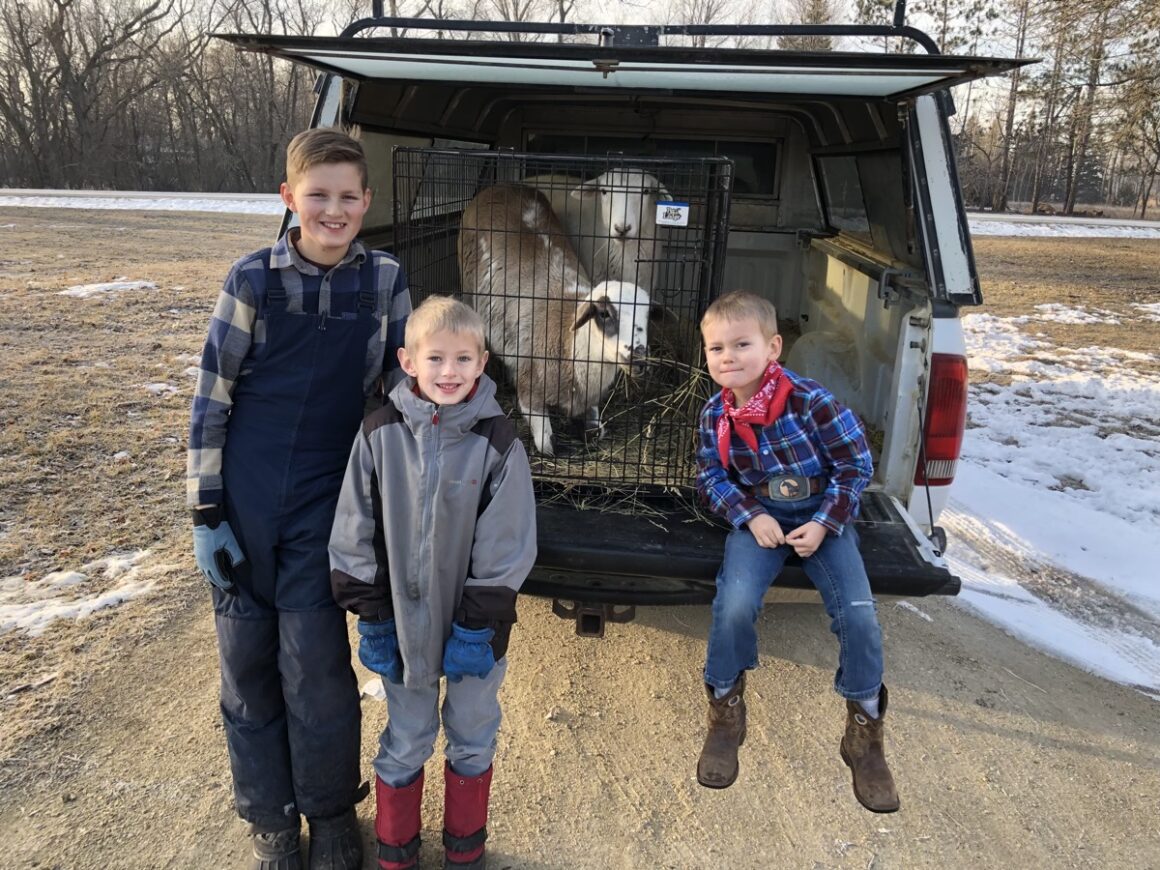
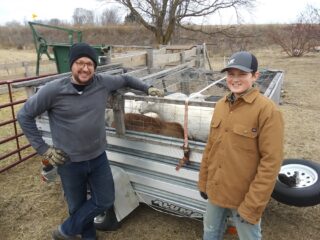
When my lambs go to the butcher in February or March, they weigh about 75 to 90 pounds. This works out to about 40 pounds hanging weight (after being processed), depending on how you want your lamb processed. I sell lambs in whole or half shares, $125 for a half or $250 for a whole (2026 pricing), plus butchering costs (about $100 for a whole/$50 half). Once you have placed your order, we will let you know when the lambs have been dropped off at the butcher. Then you will contact them to discuss with you how you want your lamb processed. After about a week or so, the lamb will be available for pick up. I am currently sold out of lamb meat for 2026, but we’ll have more available early next year.
Thank you for supporting my farming ventures. I hope that you found this helpful!
If you are interested in buying meat from me in the future, please leave email us and I will add you to our mailing list.


1 comment
Do you ship lamb to the UK? Only kidding! It’s such a joy to watch your progress & your love for your animals, Ivar. This is evident because they love you. You are a good shepherd. God bless you & the work of your hands. With love from England. Xx